
Crooked Teeth in Children: When Should Parents Be Concerned?
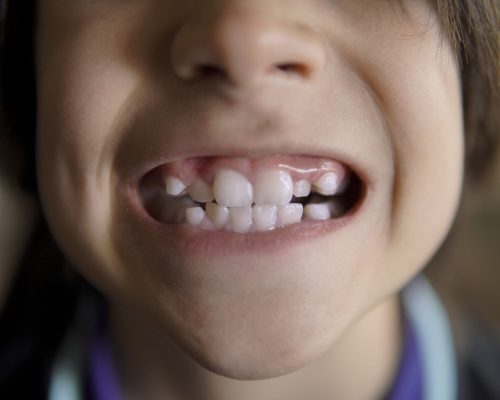
As a parent, you notice everything about your child—their smile included. Maybe you’ve spotted a tooth that’s slightly out of line. Or perhaps your child’s front teeth seem to overlap. You might wonder: “Is this normal? Should I be worried? Will it fix itself?”
Why Do Children Develop Crooked Teeth?
Before we discuss when to worry, let’s understand why crooked teeth happen. The most common causes include:
1. Genetics
If you or your partner had crooked teeth, your child may too. Jaw size and tooth size are inherited traits. A small jaw with large teeth creates crowding.
2. Thumb Sucking or Pacifier Use
Prolonged habits beyond age 4 can push front teeth forward, creating an “open bite” or protruding teeth.
3. Premature Loss of Baby Teeth
When a baby tooth falls out too early (due to decay or injury), neighbouring teeth shift into the gap. This leaves no room for the permanent tooth, causing crowding.
4. Over-Retained Baby Teeth
Sometimes a baby tooth doesn’t fall out when it should. The permanent tooth then erupts behind it (creating “shark teeth”) or in an abnormal position.
5. Tongue Thrusting
Pushing the tongue against the front teeth during swallowing can gradually push teeth out of alignment.
6. Mouth Breathing
Chronic mouth breathing can affect jaw development and tooth position over time.
7. Injury or Trauma
A fall or accident can damage a tooth or jaw, altering the way teeth grow in.
When Is Crooked Teeth a Concern?
Not all crooked teeth require immediate treatment. Some mild crowding resolves as the jaw grows. However, you should be concerned if you notice any of the following:
1. Severe Crowding
What to look for: Teeth that are significantly overlapped, twisted, or blocked from erupting.
Why it matters: Severe crowding makes cleaning difficult, increasing the risk of cavities and gum disease. It can also affect your child’s confidence.
What to do: Schedule an orthodontic evaluation in Smile Bay Kids to discuss options like braces or clear aligners.
2. Protruding Front Teeth
What to look for: Upper front teeth that stick out noticeably beyond the lower teeth.
Why it matters: Protruding teeth are more vulnerable to injury from falls or sports. They can also affect speech and self-esteem.
What to do: An orthodontic assessment can determine if early intervention is needed.
3. Difficulty Chewing or Biting
What to look for: Your child avoids certain foods, chews on one side only, or complains that their teeth don’t “fit together.”
Why it matters: A misaligned bite can cause uneven wear on teeth, jaw pain, and even headaches.
What to do: See a dentist to evaluate bite alignment.
4. Open Bite
What to look for: Front teeth that don’t touch when your child bites down.
Why it matters: Open bites can be caused by thumb sucking or tongue thrusting. They affect chewing and speech.
What to do: Early intervention (habit appliances, orthodontics) can correct the issue before it worsens.
5. Crossbite
What to look for: Upper teeth that sit inside the lower teeth when biting down.
Why it matters: Crossbites can cause jaw pain, uneven wear, and asymmetric jaw growth.
What to do: Early treatment with an expander or braces is often recommended.
6. “Shark Teeth” (Permanent Teeth Behind Baby Teeth)
What to look for: A permanent tooth erupting behind a baby tooth that hasn’t fallen out.
Why it matters: If the baby tooth doesn’t fall out naturally, it can block the permanent tooth from moving into position.
What to do: If the baby tooth is very loose, encourage gentle wiggling. If it’s stubborn, we may recommend a gentle extraction.
7. Asymmetric Smile or Jaw
What to look for: One side of your child’s face or jaw looks different from the other.
Why it matters: This could indicate a growth issue, crossbite, or other orthodontic problem that needs evaluation.
What to do: Schedule an orthodontic assessment.
When Is It Safe to Wait?
Not every crooked tooth needs immediate treatment. You can often wait and monitor if:
- Mild crowding – Some crowding resolves as the jaw grows.
- Baby teeth are still present – Permanent teeth may come in straighter than expected.
- Your child is under age 7 – Early evaluation is recommended, but treatment may not be needed yet.
The key: Regular dental check-ups every 6 months allow us to monitor development and intervene at the right time.
The Recommended Age for First Orthodontic Evaluation
The American Association of Orthodontists recommends that every child have their first orthodontic evaluation by age 7.
At age 7, enough permanent teeth have erupted for us to identify potential problems. Early evaluation doesn’t always mean early treatment—but it allows us to monitor and plan.
At Smile Bay Kids, we offer comprehensive orthodontic evaluations for children.
Treatment Options for Crooked Teeth
- Space Maintainers
- Expanders
- Traditional Braces
- Clear Aligners
- Habit Appliances
Why Choose Smile Bay Kids for Orthodontic Care?
- Experienced orthodontist – Specializes in children’s orthodontics
- Comprehensive care – From evaluation to treatment to aftercare
- Child-friendly approach – Gentle, positive, and stress-free visits
- Modern options – Braces and clear aligners available
- Personalized plans – Every child’s smile is unique
Frequently Asked Questions
Q: Will my child’s crooked teeth fix themselves?
A: Some mild crowding improves with jaw growth. But severe crowding, bite problems, and habits usually need treatment.
Q: At what age should my child see an orthodontist?
A: By age 7 for a first evaluation. Treatment timing depends on the specific issue.
Q: Are braces painful?
A: There is mild discomfort after adjustments, but modern braces are much more comfortable than in the past.
Q: Can my child play sports with braces?
A: Yes—we recommend a custom mouth protector to protect braces and teeth.
Q: How long does orthodontic treatment take?
A: Most treatment takes 18-24 months. Early intervention may be shorter.
The Bottom Line
Crooked teeth in children are common—and treatable. The key is knowing when to be concerned and when to seek professional advice.
Be concerned if you notice: Severe crowding, protruding teeth, difficulty chewing, open bite, crossbite, shark teeth, or jaw asymmetry.
When in doubt, get an evaluation. Early assessment allows us to catch problems before they become complex—and sometimes, it means peace of mind knowing everything is on track.
Concerned about your child’s crooked teeth? Don’t guess—let our expert orthodontist take a look.
Schedule an orthodontic evaluation with Dr. Rahul Lodaya at Smile Bay Kids in Pimpri Chinchwad. We’ll give you clear answers and a plan that’s right for your child.
📍 Location: Dr. Rahul Lodaya, Pediatric dentist, Smile Bay Dental Care, Rahatani, Pune: Near Pimple Saudagar, Near Wakad.
📞 Call to Book: +91 94202-82079
🌐 Website: https://smilebaykids.com