
The 5 Signs Your Child Might Need Braces (And When to Start)
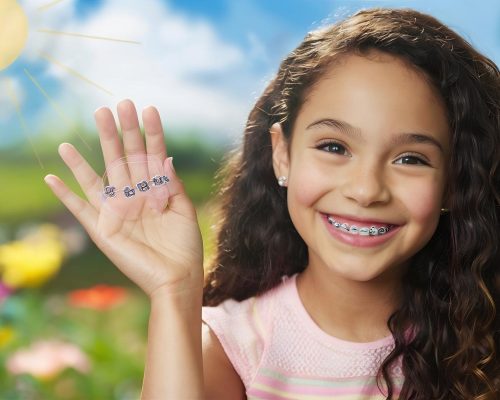
As a parent, you watch your child grow and change every day. But are you watching their smile develop properly? Many parents wonder: “Does my child need braces? And when should we start?”
At Smile Bay Kids in Pimpri Chinchwad, we specialize in pediatric dentistry and orthodontics. Here are the 5 signs that your child might need braces—and the ideal time to start treatment.
When Should You First See an Orthodontist?
The American Association of Orthodontists recommends that every child have their first orthodontic evaluation by age 7.
Why so early? By age 7, enough permanent teeth have erupted for us to identify potential problems. Early evaluation doesn’t always mean early treatment—but it allows us to monitor development and intervene at the right time.
At Smile Bay Kids, we offer orthodontic evaluations as part of our comprehensive pediatric dental care.
Sign #1: Crowded or Overlapping Teeth
What to look for: Teeth that twist, overlap, or appear squeezed together. You might notice that your child’s smile looks “crowded” or that some teeth sit behind others.
Why it matters: Crowding makes cleaning difficult, increasing the risk of cavities and gum disease. It can also affect your child’s confidence in their smile.
What we can do: Depending on the severity, treatment may include:
- Space maintainers to hold gaps open
- Expanders to create more space
- Braces to align teeth properly
Sign #2: Difficulty Chewing or Biting
What to look for: Your child chews on one side only, avoids certain foods, or complains that their teeth don’t “fit together” right.
Why it matters: A misaligned bite (malocclusion) can cause uneven wear on teeth, jaw pain, and even headaches. It also affects how effectively your child can chew and digest food.
Types of bite problems:
- Overbite: Upper teeth cover lower teeth too much
- Underbite: Lower teeth sit in front of upper teeth
- Crossbite: Upper teeth sit inside lower teeth
- Open bite: Front teeth don’t meet when back teeth touch
Sign #3: Thumb Sucking Beyond Age 5
What to look for: Your child continues thumb or finger sucking past age 4-5. You might notice their front teeth sticking out or not meeting properly.
Why it matters: Prolonged thumb sucking applies constant pressure on front teeth, pushing them outward. This creates an “open bite” where front teeth don’t touch when the mouth is closed.
What we can do:
- Gentle habit-breaking techniques
- Positive reinforcement and rewards
- In some cases, a special dental appliance
Sign #4: Early or Late Loss of Baby Teeth
What to look for: Baby teeth falling out too early (before age 5) or too late (after age 7-8). Also, permanent teeth coming in behind baby teeth (“shark teeth”).
Why it matters: Baby teeth act as space holders for permanent teeth. When they’re lost too early, neighboring teeth can shift into the gap, leaving no room for the adult tooth. This leads to crowding and crooked teeth.
What we can do:
- Space maintainers to hold the gap open
- Monitoring and early intervention
- Sometimes, extraction of over-retained baby teeth
Sign #5: Teeth That Don’t Meet Properly
What to look for: When your child bites down, their teeth don’t meet evenly. You might notice:
- Upper teeth completely covering lower teeth
- Lower teeth sitting in front of upper teeth
- A gap between front teeth when biting
- Teeth that meet abnormally on one side only
Why it matters: Improper bite alignment can cause:
- Uneven tooth wear
- Jaw pain and headaches
- Difficulty speaking clearly
- Increased risk of tooth injury
The Recommended Age for First Orthodontic Evaluation
Age | What Happens | Action |
By Age 7 | First orthodontic evaluation | Identify potential problems early |
Ages 7-10 | Early interceptive treatment | Expanders, space maintainers, habit appliances |
Ages 11-14 | Full orthodontic treatment | Traditional braces or clear aligners |
Ages 15+ | Late treatment | Still possible, but more complex |
Treatment Options at Smile Bay Kids
We offer comprehensive orthodontic care for children:
1. Space Maintainers
Small appliances that hold gaps open when baby teeth are lost too early. They prevent neighboring teeth from shifting and ensure room for permanent teeth.
2. Expanders
Appliances that gently widen the upper jaw to create more space for teeth and improve breathing.
3. Braces
Traditional metal or clear braces that gradually align teeth and correct bite problems.
4. Clear Aligners
A modern, discreet alternative to traditional braces. Clear aligners are removable, comfortable, and virtually invisible. They are ideal for older children and teens who want a less noticeable treatment option.
Benefits of aligners:
- Nearly invisible
- Removable for eating and brushing
- More comfortable than traditional braces
- Fewer visits for adjustments
5. Habit Appliances
Special devices that help children stop thumb sucking, tongue thrusting, or other habits affecting teeth alignment.
What Happens During an Orthodontic Evaluation?
At Smile Bay Kids, an orthodontic evaluation is simple and stress-free:
Step 1: A gentle examination of your child’s teeth, bite, and jaw
Step 2: X-rays if needed (to see developing teeth below the gums)
Step 3: A discussion of our findings with you
Step 4: Recommendations for treatment—or monitoring if treatment isn’t needed yet
We explain everything in simple, parent-friendly language. No pressure, no judgment—just honest advice about what’s best for your child’s smile.
Quick Comparison: When to Start Treatment
Scenario | Best Time to Start |
Severe crowding or bite problems | Age 7-10 (early intervention) |
Minor crowding or alignment issues | Age 11-14 (full braces) |
Single tooth out of alignment | Age 12-14 (partial braces) |
Over-retained baby tooth | As soon as detected |
The Smile Bay Kids Difference
Our approach to orthodontics is child-centered and compassionate:
- Expert pediatric orthodontist – Dr. Sonal Sahasrabuddhe is specially trained in children’s dentistry and orthodontics
- Kid-friendly environment – Toys, games, and cheerful staff help children feel safe
- Gentle, positive approach – We use “Tell-Show-Do” to reduce fear and build trust
- Personalized treatment – Every child gets a plan tailored to their unique needs
- Flexible payment options – We make quality orthodontic care accessible
Frequently Asked Questions
Q: Does my child need a referral to see an orthodontist?
A: No. You can book directly with Smile Bay Kids for an orthodontic evaluation.
Q: Will braces hurt?
A: Mild discomfort is normal after adjustments, but modern braces are much more comfortable than in the past.
Q: How long does treatment take?
A: Most children wear braces for 18-24 months. Early intervention may take 12-18 months.
Q: How much do braces cost?
A: Costs vary based on complexity. We provide a clear estimate before starting treatment.
Q: Can my child play sports with braces?
A: Yes—but we recommend a custom mouth protector to protect both braces and teeth.
The Bottom Line
You don’t need to wait until all permanent teeth have erupted to see an orthodontist. Early evaluation—by age 7—allows us to spot problems and intervene at the right time. Sometimes that means starting treatment immediately. Other times, it means monitoring and waiting.
Either way, you’ll have peace of mind knowing that your child’s smile is on the right track.
Think your child might need braces? Don’t guess—let the experts take a look.
Schedule an orthodontic evaluation at Smile Bay Kids in Pimpri Chinchwad. We’ll give you clear answers and a plan that’s right for your child.
📍 Location: Dr. Rahul Lodaya, Pediatric dentist, Smile Bay Dental Care, Rahatani, Pune: Near Pimple Saudagar, Near Wakad.
📞 Call to Book: +91 94202-82079 🌐 Website: https://smilebaykids.com